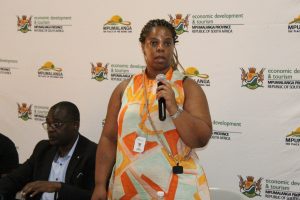
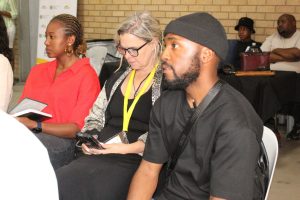
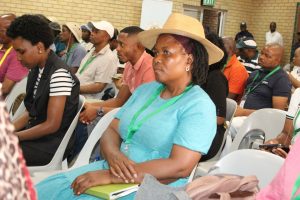
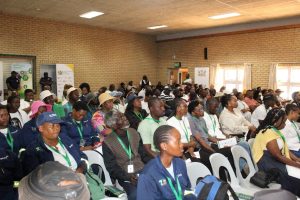
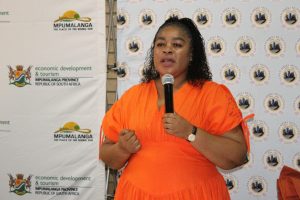
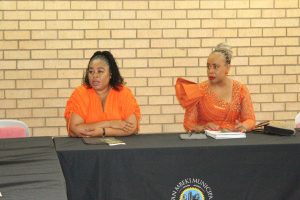
Mpumalanga’s ambition to balance economic growth with environmental responsibility took centre stage on the 6th of February, 2026, as government, business leaders, and entrepreneurs convened for the Green Enterprise Development Dialogue in the Govan Mbeki Local Municipality. Hosted by the Mpumalanga Green Cluster Agency in partnership with the Department of Economic Development and Tourism (DEDT) under the leadership of the MEC, Ms. Jesta Sidell, in partnership with the dialogue, it formed part of the province’s broader strategy to advance a Just Energy Transition while safeguarding jobs, strengthening local enterprises, and unlocking new investment opportunities in the green economy.
The engagement came at a strategic time, days ahead of the 2026 Mining Indaba in Cape Town, where Mpumalanga plans to present a unified provincial voice on sustainable mining, renewable energy investment, and enterprise development. Addressing stakeholders, provincial leadership emphasised that enterprise development is central to Mpumalanga’s economic future, particularly as the province transitions from coal dependency toward diversified and cleaner energy sources. While coal remains a significant contributor to the provincial economy, government officials acknowledged the growing impact of climate change and the urgent need to adopt safer, more sustainable technologies without undermining livelihoods.
Mpumalanga recently demonstrated its investment potential when it exceeded expectations at its Mining and Investment Conference, securing R238 billion in investment pledges, more than four times the initial target. Notably, R145 billion of these pledges were directed towards renewable energy and clean technology projects, signaling strong investor confidence in the province’s green economy. A major highlight cited during the dialogue was the Seriti Green Project in the Govan Mbeki area, which has already attracted R70 billion in investment, with R20 billion currently under implementation. The project has created approximately 2 000 jobs, many of which have been sourced locally, including opportunities for Black-owned manufacturing enterprises supplying steel and other inputs.
MGCA was positioned as a key catalyst in driving inclusive participation in the green economy. Its mandate focuses on job creation, enterprise development and investment facilitation, with a strong emphasis on ensuring that small, medium, and micro enterprises (SMMEs) are not left behind in the energy transition.
MGCA’s support extends across high-growth sectors, including:
- Renewable energy (wind, solar and embedded generation)
- Waste management and recycling
- Water treatment and mine water reuse
- Sustainable agriculture and industrial hemp
- Environmental rehabilitation and circular economy solutions
MGCA uses the principles of Enterprise & Supplier Development in supporting the MSMEs within MP Province to build capabilities and capacity, gain access to markets and access to funding for innovative solutions and technologies that are aligned to the growth sectors of the green economy.
Youth unemployment emerged as a major concern during the dialogue, with economic researchers highlighting that Mpumalanga has slipped from the fourth to the fifth-largest provincial economy, partly due to limited growth in the informal and SMME sectors. Officials stressed that future economic growth, targeted at 3% GDP expansion, will be driven largely by small enterprises, innovation and new skills aligned with emerging green industries.
To address this, the government outlined plans to:
- Strengthen local value chains and supplier development
- Expand access to finance, markets and procurement opportunities
- Align skills development with green economy needs through TVET colleges and innovation hubs
- Promote localisation and beneficiation in renewable energy projects
Access to finance remains a key challenge for entrepreneurs. Stakeholders were briefed on funding instruments available through SEDFA, the Just Energy Transition (JET) funding platform, and blended finance models. Entrepreneurs were encouraged to formalise their businesses, improve compliance, and develop bankable business plans, as only a small fraction of green economy funding applications currently meet required standards.
The government also acknowledged concerns around red tape and lengthy approval processes, committing to engaging national departments and investors to reduce delays and improve the ease of doing business in the province. Municipal representatives underscored that climate change, while disruptive, also presents opportunities for economic diversification and community resilience. Waste-to-energy projects, recycling initiatives, mine rehabilitation, water reuse, and green tourism developments were highlighted as viable pathways for local economic development. Officials stressed the importance of empowering communities, cooperatives, women and youth to participate meaningfully across the green economy value chain, ensuring that the transition is both inclusive and just.
As Mpumalanga prepares to engage investors and policymakers at the Mining Indaba, the MEC affirmed that the Green Enterprise Development Dialogue was not merely a talk shop but a platform to capture the real experiences and proposals of local entrepreneurs. “These engagements ensure that when we speak to ministers and investors, we speak with the voice of our people,” noted the MEC. By aligning policy, investment, enterprise development, and environmental sustainability, Mpumalanga is positioning itself as a national leader in the Just Energy Transition, one where economic growth, job creation, and environmental responsibility move forward together.